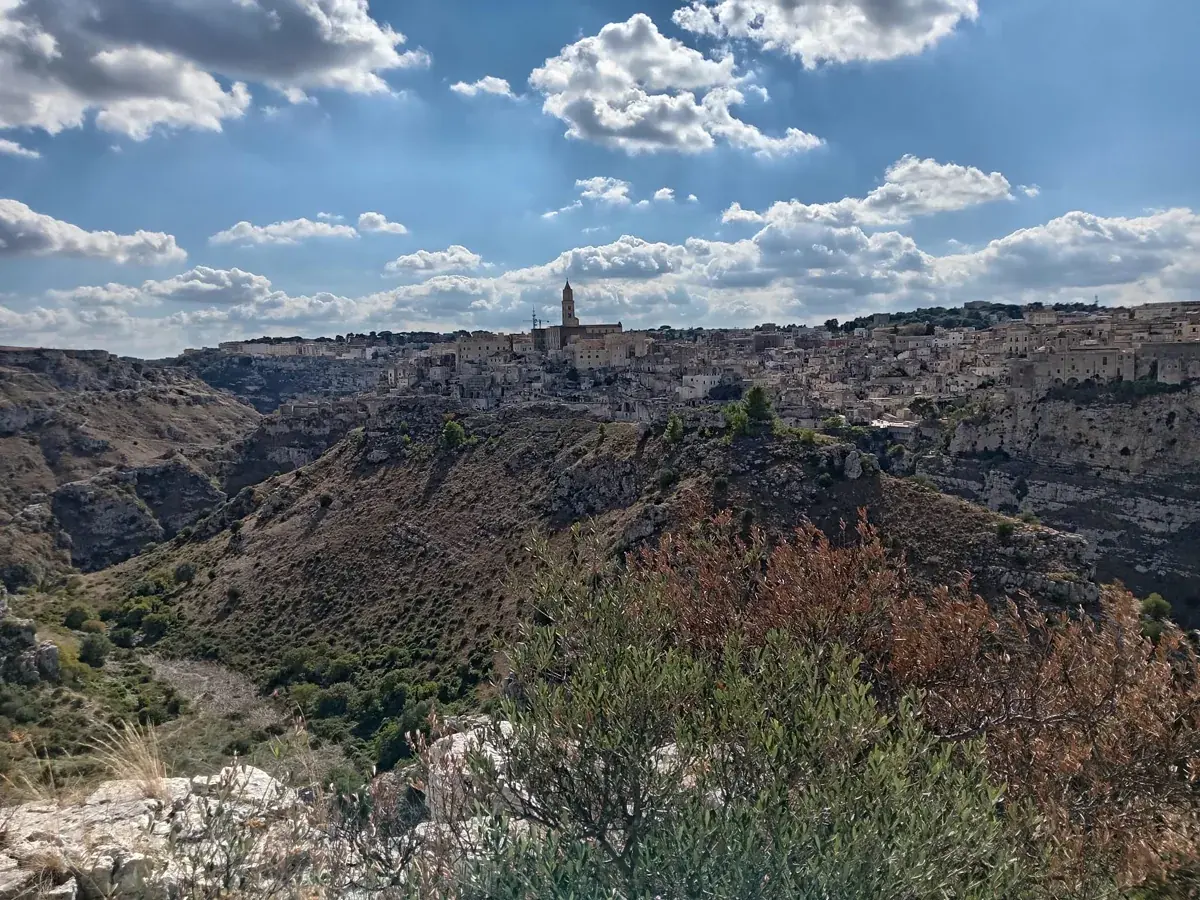
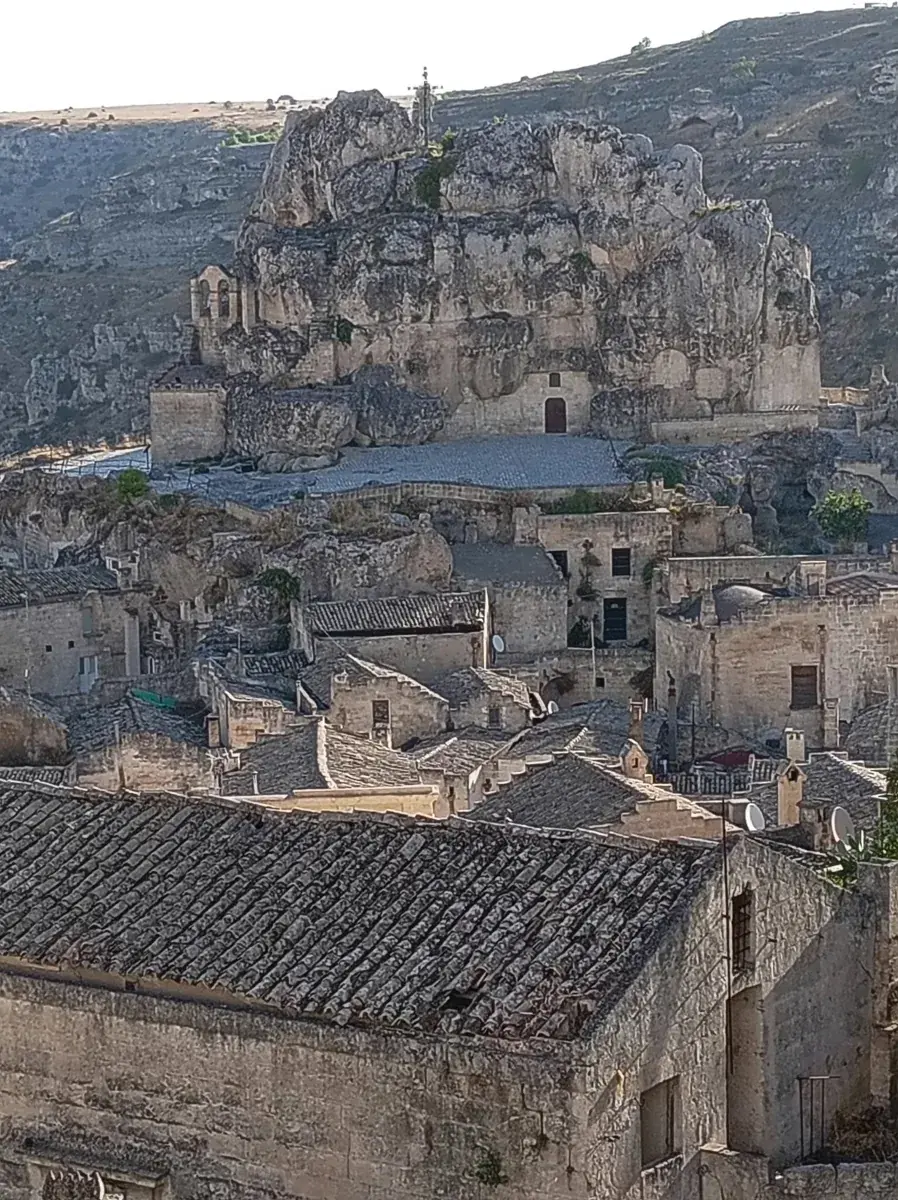
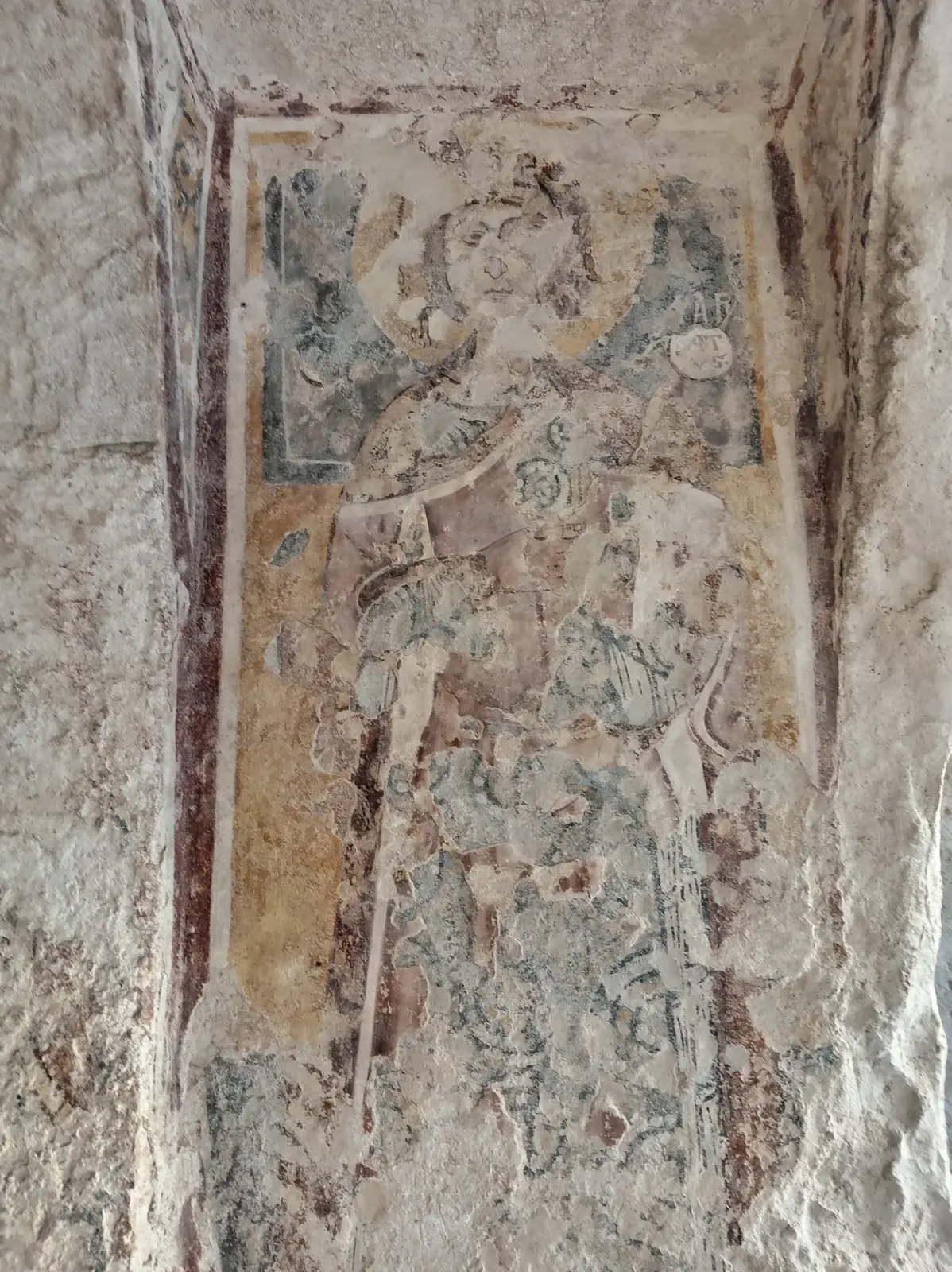
More than a hundred churches around Matera are cut into the rock. Many are plain caves, some carry Byzantine-influenced frescoes a thousand years old. They are the second reason – alongside the Sassi themselves – why this landscape is World Heritage.
How they came about
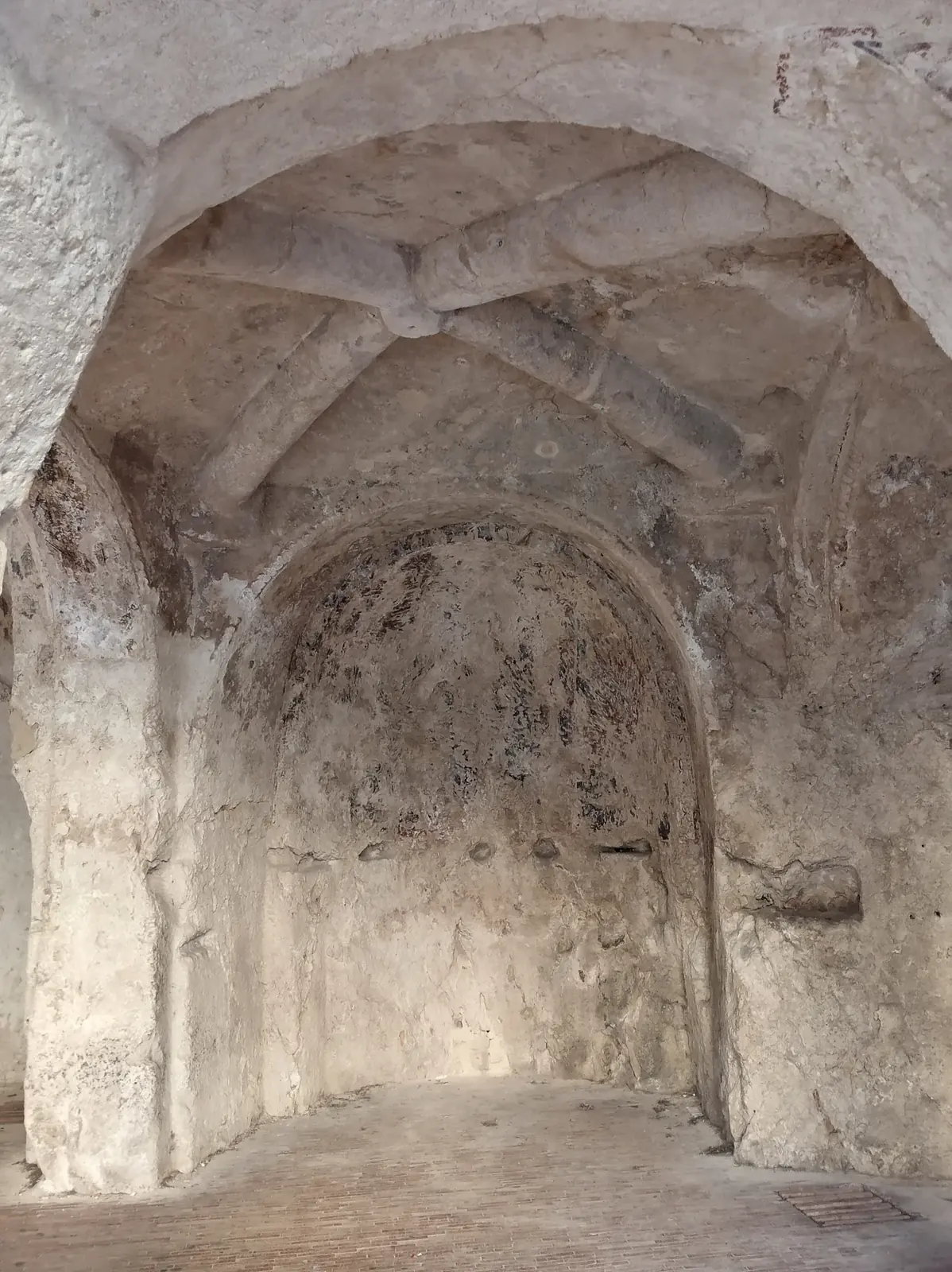
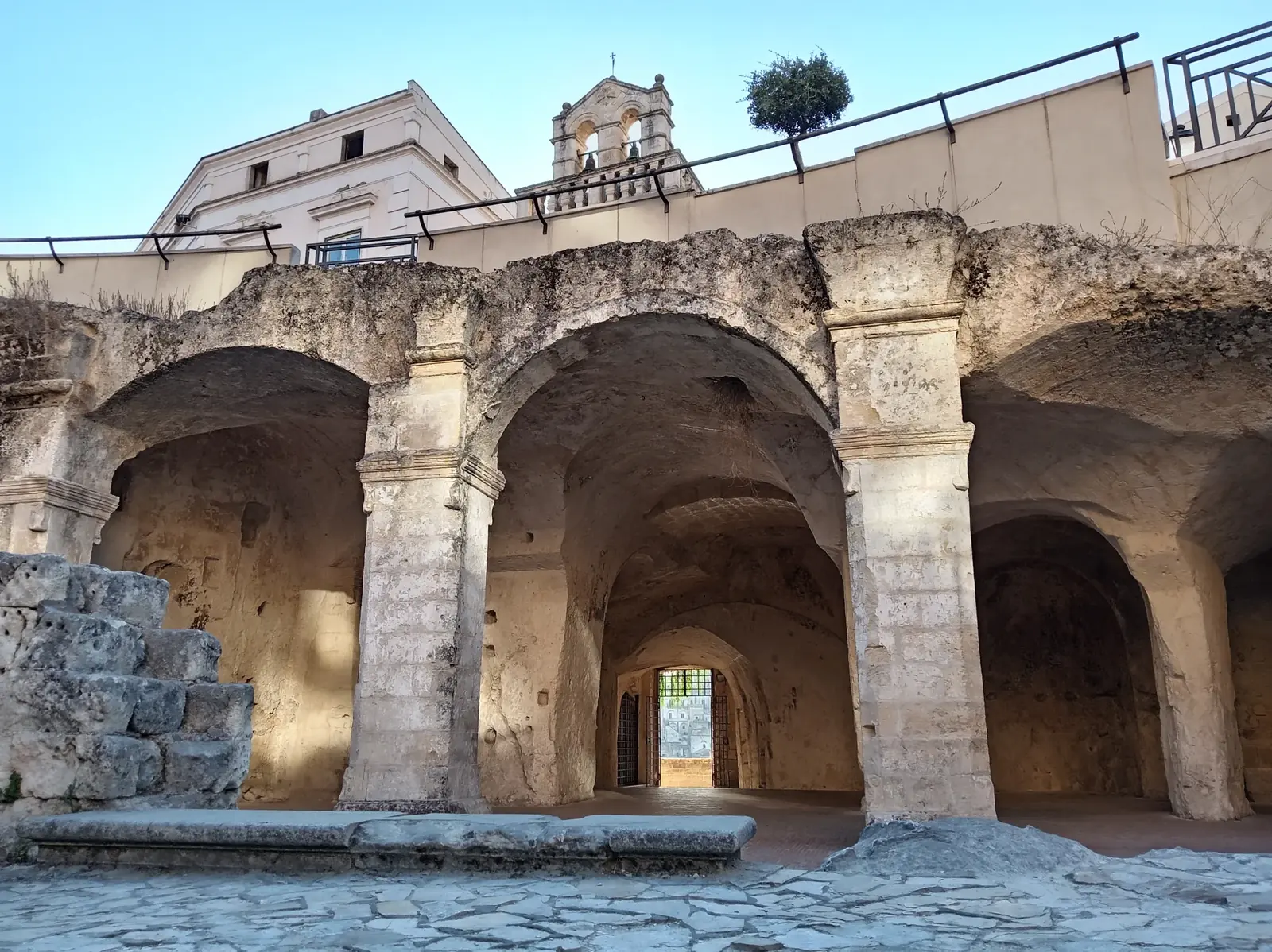
The rock churches go back to monks and hermits who settled in the ravines of the Murgia in the Middle Ages. Simple cells became chapels, chapels became monastery churches with apses, columns and domes – none of it built, all of it carved out of the stone.
That is the decisive difference from any other church building: here nothing was added, only taken away. A pillar does not stand because someone erected it, but because someone left it standing. Where a wall runs crooked, it follows a layer in the rock. And because a mistake cannot be undone, these spaces bear a caution you can see in them.
Inside the city
Within the Sassi several rock churches can be linked on foot. Together they give a good sense of the range – from the bare cave to the fully painted church interior:
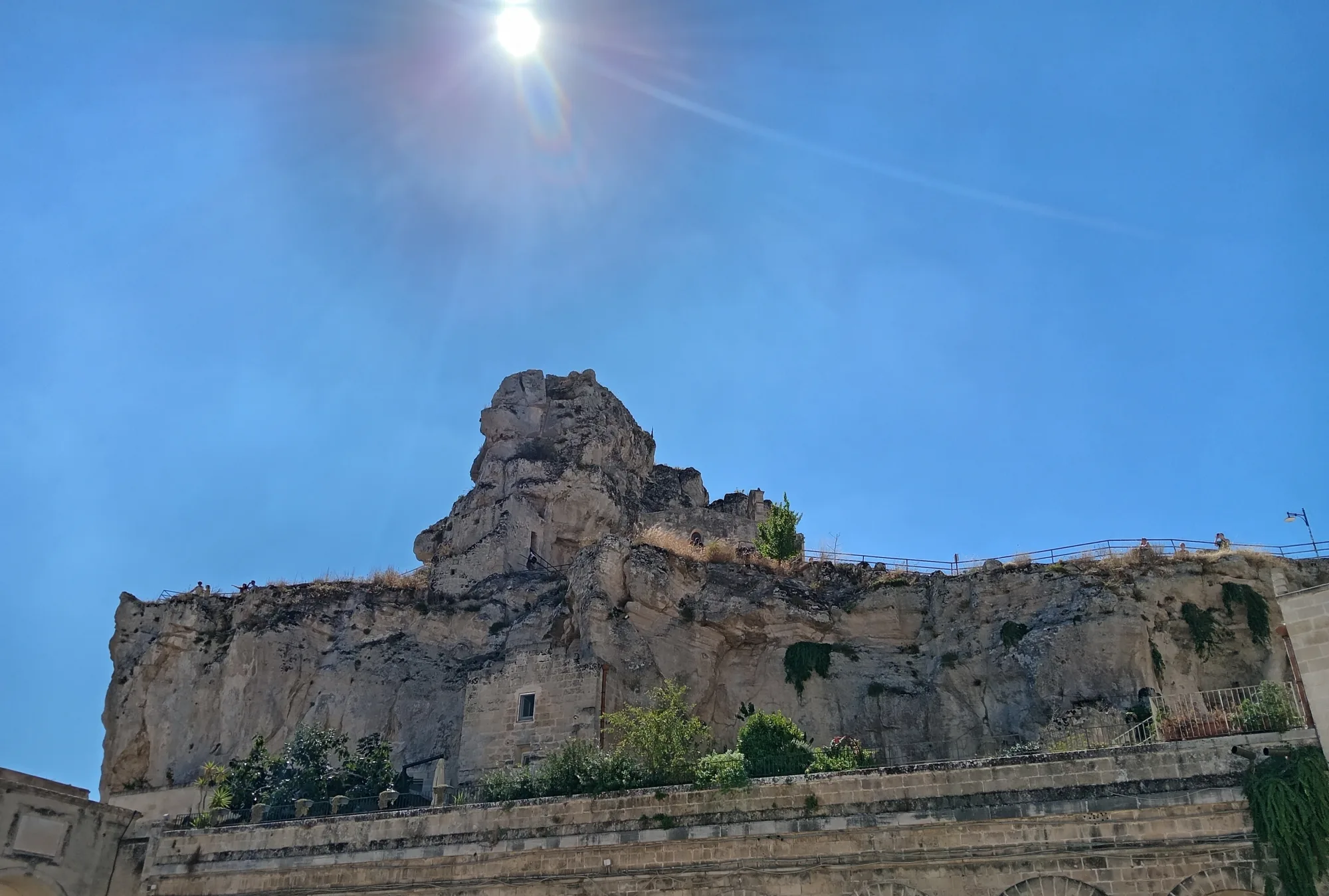
- Santa Maria de Idris with San Giovanni in Monterrone – inside the rock cone in the middle of the Sasso Caveoso.
- Santa Lucia alle Malve – the former convent church with the most striking paintings.
- San Pietro Barisano – the largest rock church in the city.
- Madonna delle Virtù and San Nicola dei Greci – two levels above the gorge.
- Convicinio di Sant’Antonio – four churches around a shared courtyard.
In the Murgia park
Beyond the gorge, in the Parco della Murgia Materana, further rock churches lie scattered across the landscape. You reach them on walking trails; for some a guided tour is advisable, because they are otherwise hard to find or locked. The best known are Madonna delle Tre Porte and the Cripta del Peccato Originale, with the most important frescoes in the region.
Alongside them, a long line of smaller churches bear their own names, without there being more to say about each than where it lies: Santa Barbara, Madonna delle Vergini, Santa Maria della Vaglia, Madonna delle Croci, San Falcione, San Vito dei Lombardi, Sant’Agnese, San Nicola all’Appia, Cristo la Gravinella, San Francesco a Chiancalata, Cappuccino Vecchio, Santa Maria de Armenis, Santo Spirito, Sant’Eustachio, Santa Maria della Palomba, Madonna dell’Abbondanza, Madonna degli Angeli, Madonna di Monteverde, San Pietro in Principibus and Madonna della Croce. Walk through the park and you will come across some of them; most are locked and barely recognisable as churches from the outside.
The frescoes
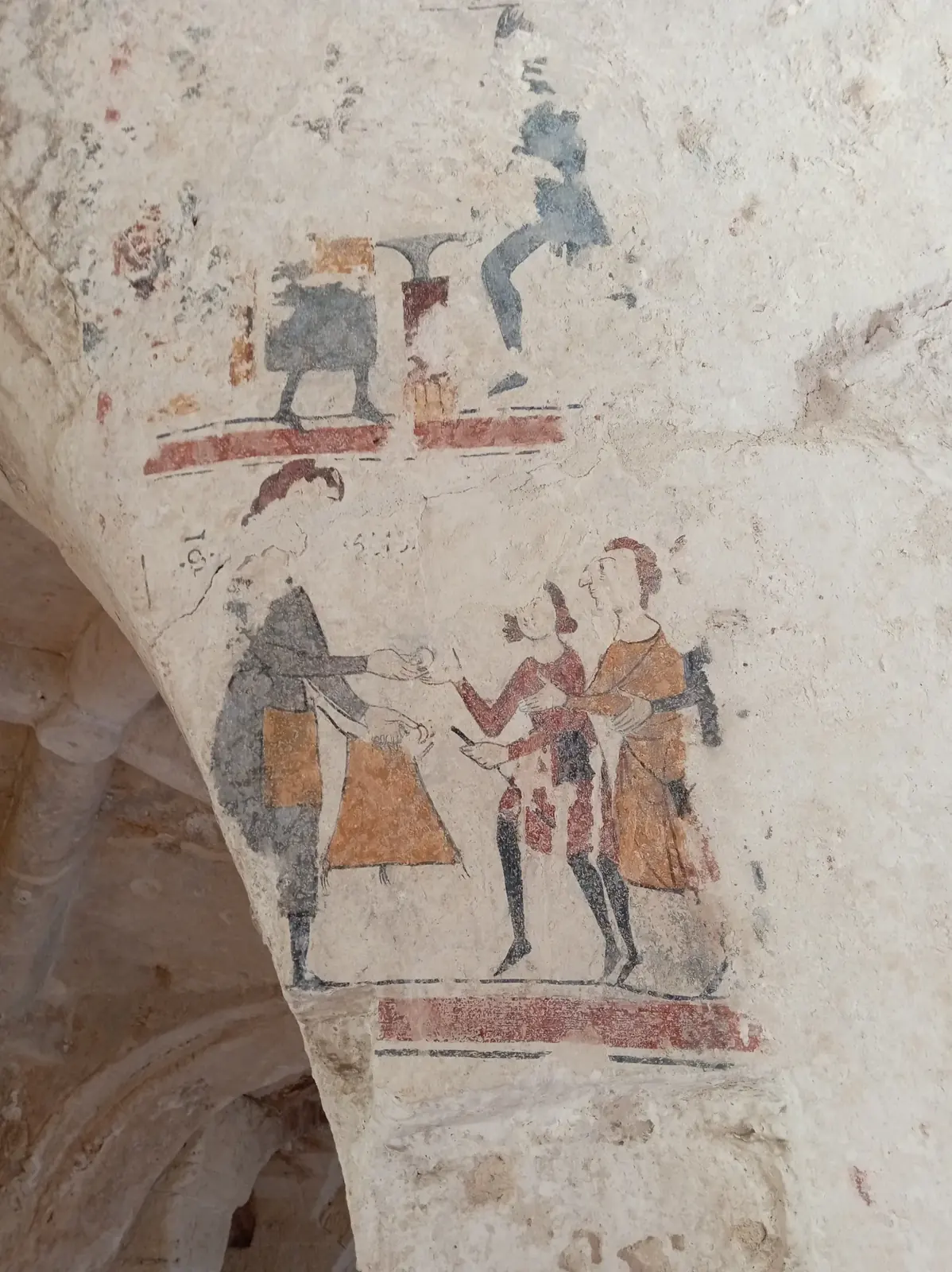
The paintings come from different centuries and traditions. Byzantine-influenced images of saints in strict frontal view stand beside later, western-influenced layers – often directly on top of one another, because people painted over the existing plaster. In places you can see three periods on a single wall.
Because damp and salts attack the limestone, many frescoes are fragile. Flash photography is therefore usually not allowed, and some rooms may only be entered by a few people at a time. That is not petty officialdom but the reason there is anything left to see at all.
Practical information
Inside it is cool all year round and often damp; a light jacket makes sense even in August. The floors are uneven and steps are rarely secured. Several of the city churches are managed under a shared ticket – for the remote ones in the park a guided tour is worthwhile, if only because you would not find them otherwise.
Read on
- Churches in Matera – the masonry churches of the upper town
- Parco della Murgia Materana – the landscape in which most of them lie
- The Sassi di Matera – the city they belong to